CAR MAINTENANCE IN TEXAS
Multi-Point Inspections | Fluid Flushes (Coolant, Transmission, Brake, Differential) | Belt And Hose Inspections/Replacement | Wiper Blade Replacement | CEL Scans | Battery And Charging System Check
How Often Should I Take My Car in for Maintenance?
The upkeep of your vehicle is influenced by various elements, including the guidelines set by the manufacturer and your unique driving habits. To ensure optimal performance and longevity of your car, pay attention to these crucial aspects:
City vs. Highway Driving
It might come as a shock, but driving on the highway actually places less strain on your vehicle than navigating city streets. The frequent stops and starts associated with urban driving can take a toll on your engine, brakes, and other essential parts of your car.
City Driving Tips
Navigating city streets can be hard on your vehicle’s braking system, engine, and transmission. The constant stop-and-go traffic leads to increased wear over time. For instance, your brake pads may degrade faster due to repetitive use, and your engine faces additional stress during traffic jams. To mitigate these effects:
- Adhere to speed limits and aim for a consistent driving speed whenever feasible.
- Refrain from harsh braking and quick starts to ease the load on your car.
- Stick to a routine maintenance plan to identify problems early and avoid expensive repairs.
Highway Driving Tips
Driving on highways is generally gentler on your brakes, but the extended high speeds can put a strain on your engine, transmission, and tires. Over time, this can lead to uneven tire wear and a decline in suspension performance. To keep your vehicle in top shape, keep these tips in mind:
- Regularly check your tire alignment and rotate your tires to prevent uneven wear.
- Before embarking on long trips, check your fluid levels, focusing on oil and coolant.
- Maintain a safe following distance and adhere to speed limits to ensure your safety and that of your vehicle.
- Stay committed to a routine maintenance plan to identify problems early and avoid costly repairs later on.
Key Car Maintenance Services You Shouldn't Overlook
Maintaining these vital services can save you from future troubles and ensure your vehicle remains in excellent condition:
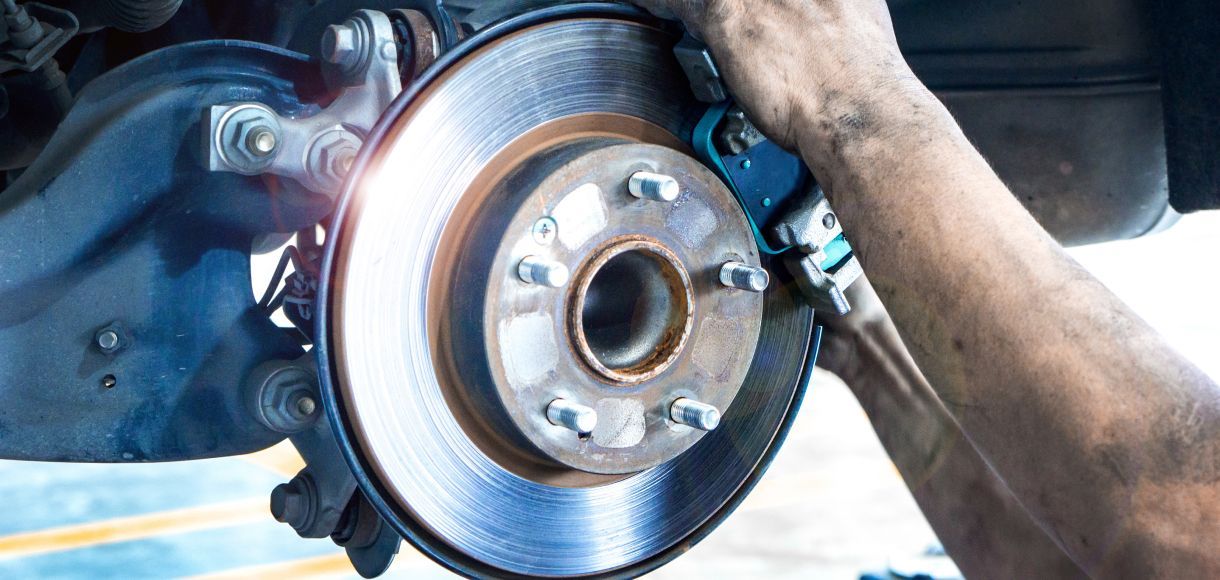
Brake System Maintenance
Regular checks on brake pads, rotors, and calipers are vital for optimal performance. Over time, brake pads wear down, reducing their effectiveness. Upgrading worn pads enhances safety and ensures smoother, more reliable braking.
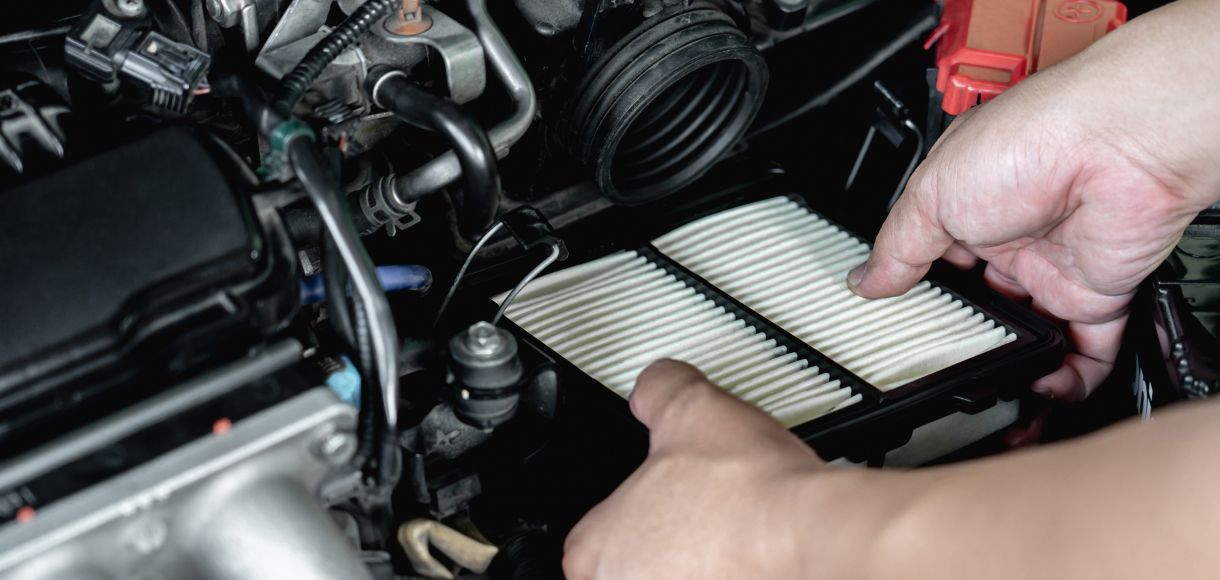
Filter Replacements
Air filters are essential for protecting your engine and cabin from pollutants. Neglecting regular replacements can lead to clogged filters, restricting airflow and straining the engine, which decreases fuel efficiency and performance. Moreover, poor air filter maintenance can reduce cabin air quality, letting dust and allergens circulate in your vehicle.
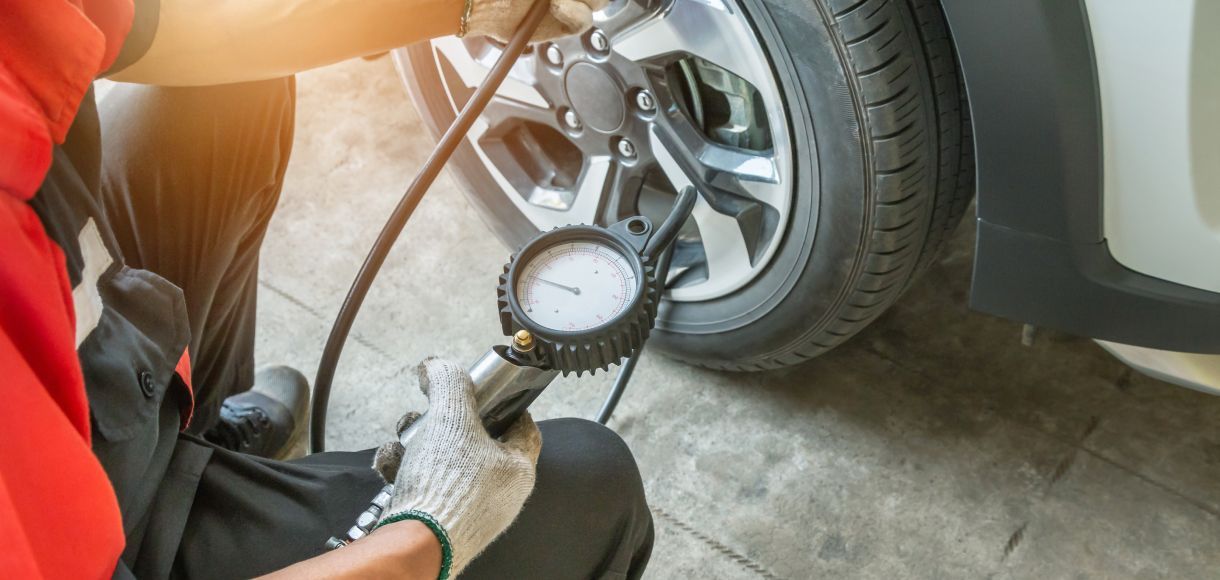
Tire Maintenance
Routine tire maintenance is vital for safety and optimal vehicle performance. Regularly rotating your tires promotes uniform wear, which can prolong their lifespan and enhance handling. It's also important to check your tire pressure often—well-inflated tires not only boost fuel efficiency but also improve control, particularly in tricky driving situations.
When it’s time to replace your tires, monitor the tread depth closely. If it reaches 2/32 of an inch, it’s time to invest in new ones. Additionally, take into account the driving conditions you encounter—wet, or uneven roads may necessitate earlier tire replacement to maintain safety and traction.
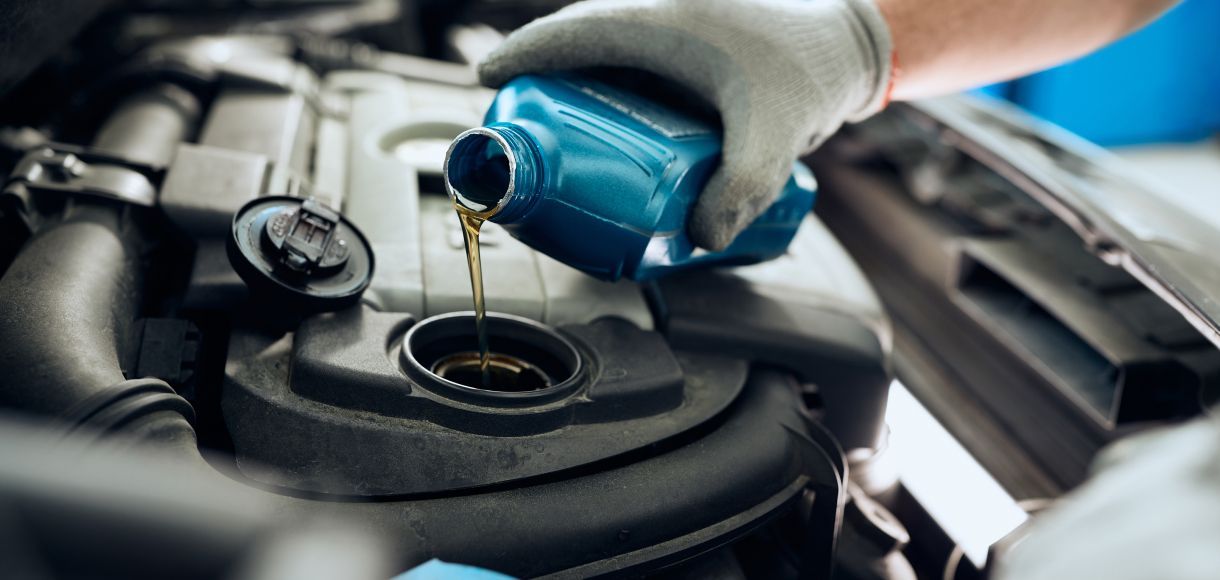
Fluid Changes
In the past decade, most vehicles need oil changes every 5,000 to 7,500 miles, especially with synthetic oils. Some newer models may extend this interval, which you can verify in your owner's manual. However, older cars may still benefit from the traditional oil change every 3,000 miles with conventional oil.
It's essential to maintain other fluids like transmission, brake, power steering, and coolant. Neglecting these can lead to serious issues: ignored transmission fluid can cause shifting problems, degraded brake fluid can compromise safety, insufficient power steering fluid can affect steering, and old coolant can lead to engine overheating.
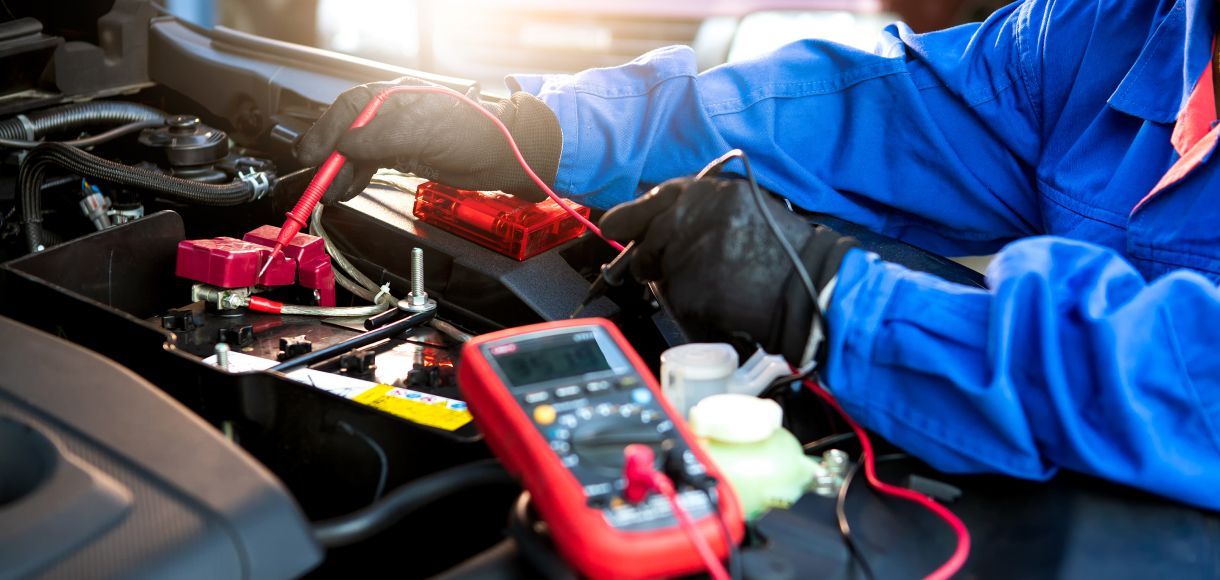
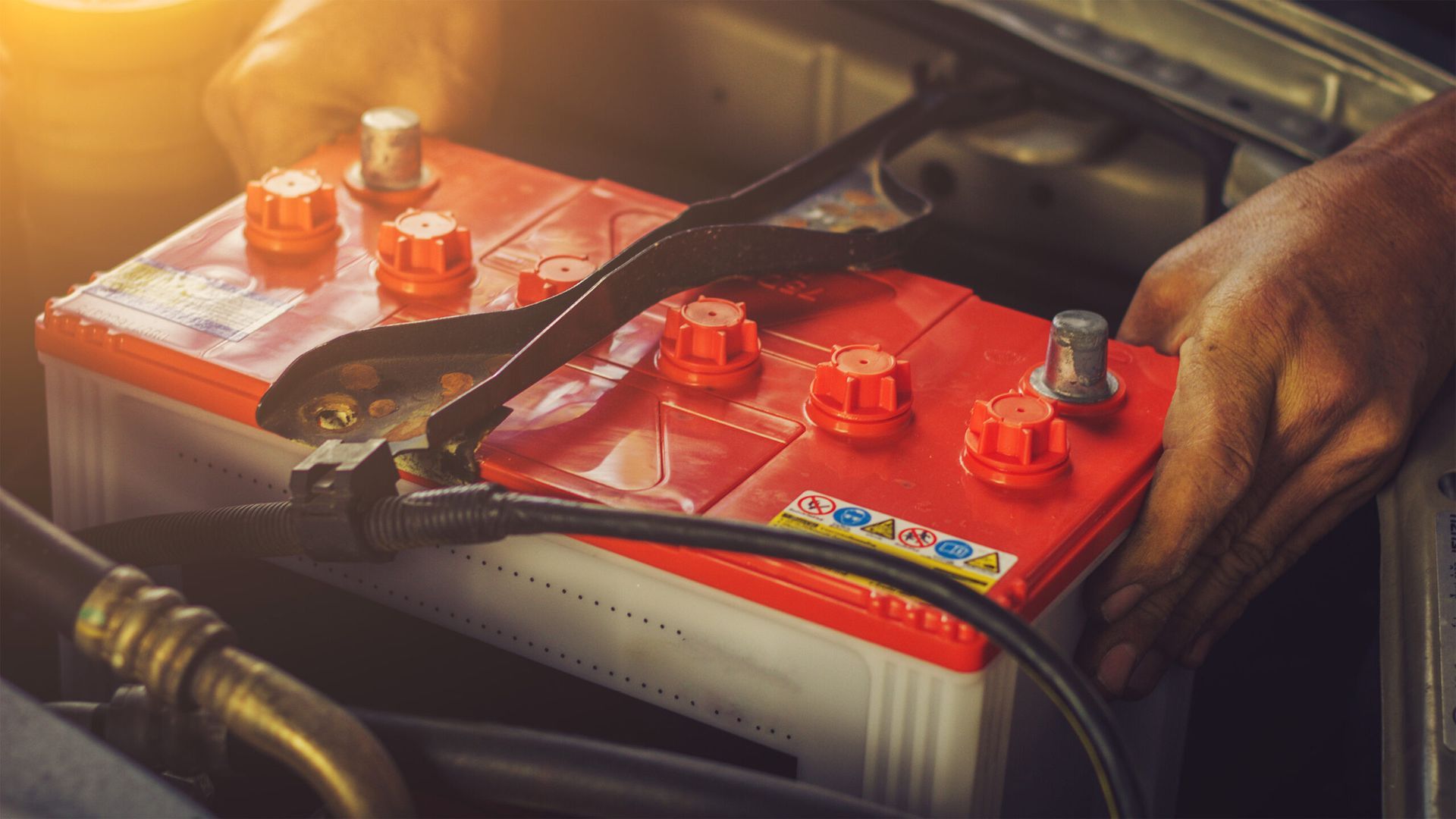
Battery Health
Car batteries typically have a lifespan of three to five years, making it wise to have yours assessed once it hits the three-year milestone to ensure it's functioning properly. Indicators such as decreased engine performance, flickering lights, or a sulfur-like smell may suggest that it's time for a battery replacement.
To maintain your battery’s peak performance, remove any visible corrosion from the terminals. If your vehicle stays parked for extended periods, be sure to take it out for a drive now and then to keep the battery charged and prevent unexpected issues in the future.
Maintenance by Mileage: What To Expect
At Aloha Auto Repair, we help you stay on top of your vehicle’s maintenance schedule by recommending services based on your driving habits, mileage, and manufacturer guidelines.
At 5,000 Miles:
- Oil Service: Replace engine oil and the oil filter to help protect engine components and promote smooth operation.
- Tire Rotation: Helps distribute tire wear evenly, improving tire longevity and performance.
- Brake Inspection: Evaluate the condition of brake pads, rotors, and other key braking components.
- Fluid Inspection: Check and replenish important fluids such as coolant, brake fluid, and windshield washer fluid.
- Tire Pressure Check: Verify proper tire inflation to support fuel economy, handling, and tire life.
At 15,000 Miles:
- Engine Air Filter Replacement: Install a clean air filter to help maintain engine efficiency and performance.
- Cabin Air Filter Replacement: Improve interior air quality and airflow throughout the cabin.
- Brake Service: Inspect braking components and replace worn pads or service rotors when necessary.
- Battery Inspection: Test battery condition and charging performance, especially if you’ve noticed starting or electrical concerns.
- Fluid Service: Certain fluids, such as coolant or transmission fluid, may require replacement depending on vehicle use and mileage.
At 30,000 Miles:
- Fluid Replacement Services: Exchange essential fluids, including coolant, brake fluid, and transmission fluid, to support long-term vehicle performance.
- Tire Evaluation: Inspect tires for wear patterns, damage, and alignment-related issues that may affect their lifespan.
- Complete Vehicle Inspection: Examine key systems such as the suspension, exhaust, and engine for signs of wear or developing concerns.
At 60,000 Miles:
- Brake Pad Service: Replace worn brake pads to help maintain safe and effective stopping performance.
- Belt and Hose Replacement: Install new belts and hoses when necessary to reduce the risk of breakdowns and unexpected repairs.
- Fluid Renewal: Replace major vehicle fluids, including brake, transmission, and power steering fluids, to keep systems operating efficiently.
At 90,000 Miles and Beyond:
- Comprehensive System Inspection: Perform a detailed evaluation of critical systems such as the suspension, steering, and transmission.
- Transmission Fluid Service: Replace aging fluid to support proper transmission operation and smooth gear changes.
- Power Steering Service: Inspect and replace power steering fluid as needed to maintain responsive steering performance.
- Front and Rear Component Inspection: Check suspension components, axles, and exhaust systems for wear, damage, or needed repairs.
These maintenance intervals are general guidelines and may vary depending on your vehicle’s make, model, and operating conditions. Always refer to your owner’s manual for manufacturer-recommended maintenance schedules and service requirements.
Signs Your Car Needs Maintenance
Your vehicle often provides early warning signs when something needs attention. Recognizing these indicators can help prevent minor concerns from turning into major repairs. Here are a few common signs to watch for:
Unusual Sounds or Smells:
Grinding, squealing, or other unusual sounds can point to worn brake pads, damaged rotors, or other brake system issues. Likewise, a burning odor may indicate overheating components or leaking fluids that require immediate attention.
Dashboard Warning Lights:
Dashboard warning lights should never be ignored. These alerts are designed to notify you when a system needs service. Problems such as low oil pressure, charging system issues, or engine overheating can become much more serious if left unchecked. Whenever a warning light appears, it's a good idea to have your vehicle inspected promptly.
Visible Wear and Tear:
Regularly checking visible vehicle components can help you identify potential issues before they become costly repairs. Worn windshield wipers may reduce visibility during rain, while cracked belts or deteriorating hoses can lead to unexpected breakdowns. A quick visual inspection from time to time can go a long way toward maintaining vehicle reliability.
Why Regular Maintenance Matters
Delaying routine services such as oil changes, fluid inspections, or brake maintenance can eventually result in significant mechanical problems that could have been prevented. While preventive maintenance requires a small investment, it helps improve efficiency, reduce wear, and keep your vehicle operating at its best.
Avoiding scheduled maintenance may seem cost-effective in the short term, but it often leads to larger repair bills down the road. Staying current with recommended services helps extend the life of your vehicle and reduces the likelihood of inconvenient and expensive breakdowns.
Aloha Autorepair Is Here To Help
At Aloha Auto Repair, we recognize that every driver and every vehicle has different maintenance requirements. That's why we provide personalized service recommendations designed around your vehicle's condition, mileage, and driving habits. Whether you need routine maintenance or more extensive repairs, our experienced team is here to help.
If you're looking for dependable automotive maintenance in the Allen area, our knowledgeable technicians are ready to provide the quality service your vehicle deserves. Our goal is to help keep your car reliable, efficient, and ready for every mile ahead.