Are Run Flat Tires Repairable?

Aloha Auto Repair • January 12, 2026

Share this article

If you’ve ever had a flat tire, you know how frustrating it can be. But what about run-flat tires? These tires are designed to let you drive a short distance even after losing air pressure. That’s handy, but it also raises a big question: are run-flat tires repairable?

At Aloha Auto Repair, we get this question all the time. We’ll break down what you need to know about repairing run-flat tires, when it’s safe, and when it’s better to replace them.

What Makes Run-Flat Tires Different

Unlike normal tires, run-flat tires have reinforced sidewalls. These sidewalls can hold the weight of your car even when the tire loses air pressure. This means if you get a flat tire, you can drive up to 50 miles at a reduced speed to reach a repair shop. Sounds great, right? But that design also makes them tricky to repair.

Because the sidewalls are stronger and thicker, any damage is often hidden inside the tire. A puncture in a run-flat tire isn’t always visible from the outside. If the tire was driven under low pressure or near zero pressure, the tread and sidewall may have been weakened. This can make repairing the tire unsafe, even if it looks fine.

Where Run-Flat Tires Can Be Repaired

So, are run-flat tires repairable ? The short answer is: sometimes. Many tire manufacturers allow repair only under strict conditions. Usually, the repairable zone is the central part of the tire tread, nowhere near the sidewall. Near the sidewall, repairs are unsafe.

What is the repairable area on a tire ? Here’s a simple way to remember:

  • Repairable area: the middle of the tire tread, not the sides
  • Cannot be repaired: sidewalls, the shoulder of the tire, large punctures
  • Maximum repairable size: often a puncture under 1/4 inch

If the tire was driven flat or at low pressure, many tire specialists will recommend replacement rather than repair. Damage may not be visible, making it impossible to determine whether the tire can safely withstand pressure after repair.

How Run-Flat Tire Maintenance Affects Repair

Proper run-flat tire maintenance can sometimes save a tire from needing full replacement. Check your tire pressure regularly, especially on tires equipped with a TPMS (tire pressure monitoring system). Avoid letting your tire reach zero pressure. Once a run-flat tire has been driven flat, the sidewalls may weaken permanently, and even trained tire specialists may be unable to safely repair it.

Keeping your tires properly inflated helps:

  • Prevent loss of tire pressure
  • Reduce the risk of flat tire damage
  • Increase the chance your run-flat tires can be repaired

Signs a Run-Flat Tire Needs Replacement

Even if a puncture is small, there are times when run-flat tires cannot be repaired. Here’s what to watch for:

  • The tire was driven flat
  • Damage is near the sidewall
  • The sidewall shows cracks or bubbles
  • Tread depth is very low
  • The tire has multiple punctures or areas of damage

In these cases, trying to repair the tire is unsafe. A trained tire specialist may recommend a full replacement. It’s better to spend a little on a new tire than risk an accident.

How Run-Flat Tires Work and Repairability

You might be wondering, how exactly do run-flat tires work? They are built to support your car’s weight with zero pressure. But that also means the tire was under high stress when flat, and this stress can cause hidden damage. Even if a patch is applied in the repairable zone, there is no guarantee the tire will be as strong as before.

Many tire stores only repair run-flat tires under certain conditions:

  • The tire must not have been driven far on zero pressure
  • The puncture must be in the repairable area
  • The tire must have enough remaining tread depth

Following these rules is key for safety.

Patch or Replace: What’s Safer?

At Aloha Auto Repair, we always assess your tire before recommending repair. Professional tire repair is only safe if the tire meets manufacturer guidelines. Sometimes, the best option is a run-flat tire replacement. We’ll patch a run-flat or repair a puncture if:

  • The damage is in the middle of the tire
  • The tire hasn’t been driven at low or zero pressure
  • The tread depth is still good

Do not attempt to patch a run-flat yourself. It requires a trained tire specialist and the right tools. Improper repair can lead to blowouts or sidewall failure.

Aloha Auto Repair Is Your Best Choice for Run-Flat Tires

When it comes to run-flat tire repair, Aloha Auto Repair in Allen, TX is the shop you can trust. Here’s why we stand out:

  • Experienced tire specialists who know how run-flat tires work
  • Access to professional tire repair tools and materials
  • Clear guidance on when to repair a run-flat or replace it
  • Knowledge of all major tire manufacturers and their repair policies
  • Advice on where to repair a car tire safely

We focus only on what’s safe for your vehicle. Many customers come to us confused about whether run-flats can be repaired. We provide honest advice and show you the repairable zone before doing any work.

Steps to Determine if Your Run-Flat Tire Is Repairable

Wondering what actually goes into checking if a run-flat tire can be fixed? Here’s a simple process we follow at Aloha Auto Repair:

  • Inspect the tire tread and sidewalls for damage
  • Measure tread depth and check for cracks or bubbles
  • Look for punctures in the repairable area
  • Check if the tire was driven flat
  • Determine if repair follows the tire manufacturer’s guidelines
  • Patch in the middle of the tire only if safe

This careful process ensures that any run-flat tire repair is safe for the road.

Run-Flat Tires vs. Conventional Tires

Unlike regular tires, run-flat tires need more careful handling. Conventional tires can sometimes be repaired near the sidewall, but run-flats cannot. The reinforced sidewall is critical to their function, and damaging it can make your tire unsafe. Key differences:

  • Run-flat tires can drive on zero pressure; regular tires cannot
  • Run-flat repairs are stricter and must follow repair policy
  • Conventional tires may allow patching closer to the edge; run-flats cannot

Are Run-Flat Tires Repairable?

Yes, but only under very specific conditions. A small puncture in the center of the tread can sometimes be patched. But once the tire is driven flat or damaged near the sidewall, it usually needs replacement.

Maintaining proper tire pressure and following run-flat tire maintenance tips are the best ways to extend the life of your tires. When in doubt, trust trained tire specialists who can evaluate whether a tire is suitable for repair.

At Aloha Auto Repair, we guide you through every step — from deciding if your tire can be repaired to helping you choose a run-flat tire replacement if needed. Remember, a proper repair is always better than a quick fix. Your tires and your safety depend on it.

FAQs

Where on a run-flat tire can it be repaired?
Only in the middle of the tread. Damage near the sidewall is unsafe to repair.

Why do some shops say run-flat tires are not repairable?
Many shops worry about hidden damage inside the tire. They often choose to replace it to keep drivers safe.

Can a run-flat tire be repaired after it was driven flat?
Usually not. Driving on low or zero pressure can weaken the tire, making repair unsafe.

How big can the puncture be for a run-flat tire to be repairable?
Small punctures in the center of the tread are repairable. Larger holes or cuts need replacement.

Does patching a run-flat tire affect its warranty?
It can. If the repair is not done correctly, some tire manufacturers may void the warranty.

Curious whether your run-flat tire can be safely repaired? Bring it to Aloha Auto Repair for an expert inspection, and we’ll tell you honestly whether to patch or replace it. Call (469) 656-1124 to schedule.

Recent Posts

How to change an oil filter
By Aloha Auto Repair March 23, 2026
Learn how to change an oil filter step by step and keep your engine running smoothly. Get pro tips and trusted guidance from Aloha Auto Repair in Allen, TX.
What oil filter do I need
By Aloha Auto Repair March 17, 2026
Wondering what oil filter do I need for my car? Learn how to find the right engine oil filter, improve engine protection, and avoid costly mistakes.
What oil filter is the best
By Aloha Auto Repair March 10, 2026
Not sure what oil filter is the best? Our expert guide explains filter types, top brands, and what your engine needs. Learn more from Aloha Auto Repair.
How often to change synthetic oil
By Aloha Auto Repair March 3, 2026
Learn how often to change synthetic oil to keep your engine running smooth. Schedule your next oil check at Aloha Auto Repair in Allen, TX today!
Do electric cars need oil changes
By Aloha Auto Repair February 25, 2026
Wondering do electric cars need oil changes? Learn the truth about EV maintenance and keep your car running smoothly. Contact Aloha Auto Repair today!

When to get an oil change on a new car
By Aloha Auto Repair February 24, 2026
Not sure when to get an oil change on a new car? Discover expert tips on first oil change timing and oil life. Call Aloha Auto Repair to book your service!
How long should an oil change take
By Aloha Auto Repair February 23, 2026
Learn how long an oil change should take and keep your engine running smoothly. Schedule your oil change at Aloha Auto Repair in Allen, TX. Call now!
Where to repair a car tire
By Aloha Auto Repair February 20, 2026
Find out where to repair a car tire safely and quickly. Visit Aloha Auto Repair in Allen, TX for expert flat tire repair or replacement. Call to book today!
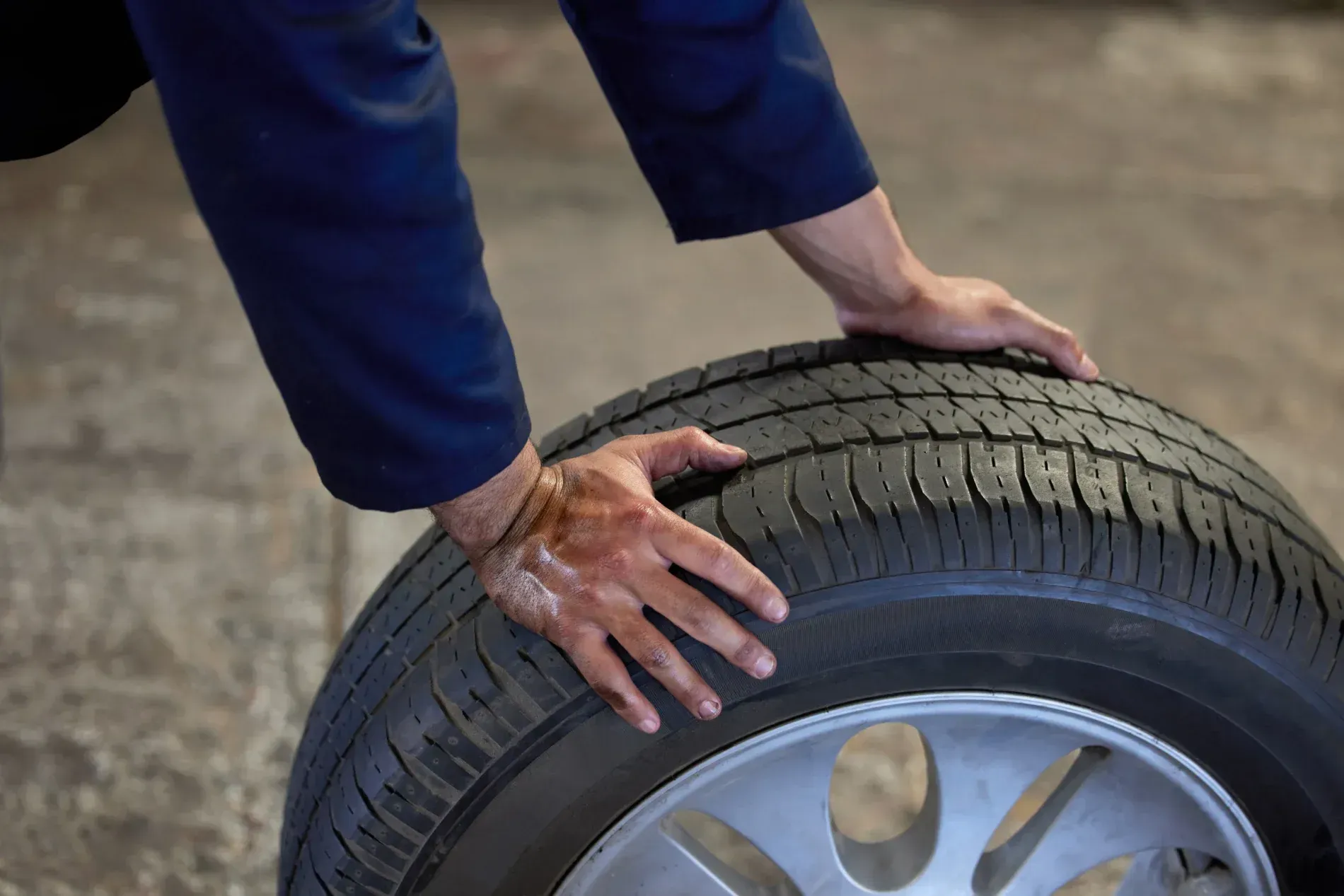
What is the repairable area on a tire
By Aloha Auto Repair January 16, 2026
Wondering what the repairable area on a tire is? Discover which parts can be safely patched or plugged. Call Aloha Auto Repair in Allen, TX today!
By Aloha Auto Repair February 8, 2024
Looking for the best oil change in Allen, TX? Learn how to choose the right oil, shop, and certified technicians for your car. Visit Aloha Auto Repair today!